Cattle farming plays a vital role in agriculture, especially in countries like India where dairy and livestock are key sources of income. One of the most critical factors that determine the productivity and health of cattle is proper nutrition through balanced cattle feed.
What is Cattle Feed?
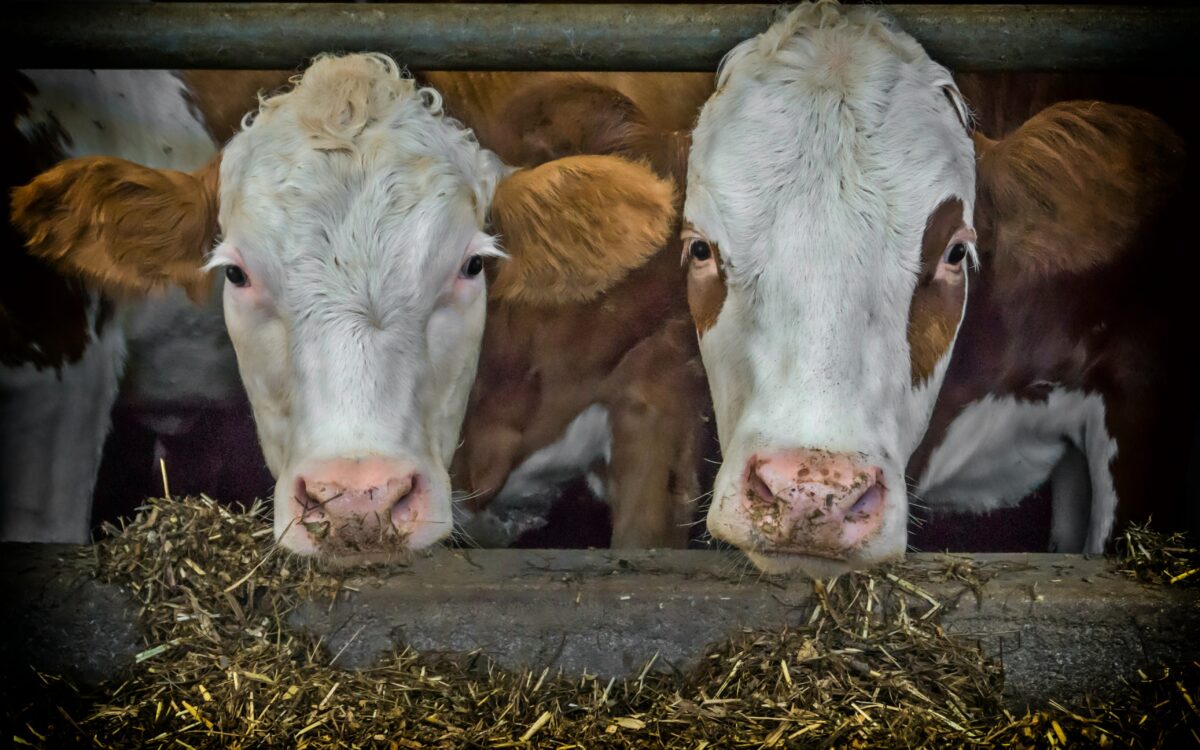
Cattle feed refers to the food given to livestock such as cows and buffaloes to meet their nutritional requirements. A well-balanced feed ensures optimal growth, milk production, reproduction, and overall health.
Importance of Quality Cattle Feed
Providing the right feed offers several benefits:
Improves milk yield and quality
Enhances growth rate in young cattle
Strengthens immunity against diseases
Supports reproductive performance
Reduces overall veterinary costs
Poor nutrition, on the other hand, can lead to low productivity, weak immunity, and health issues.
Types of Cattle Feed
Cattle feed is broadly classified into the following categories:
1. Roughages
These are high-fiber feeds essential for digestion.
Green fodder (grass, maize, sorghum)
Dry fodder (hay, straw)
2. Concentrates
These are rich in energy and protein.
Grains (corn, barley, oats)
Oilseed cakes (mustard cake, soybean meal)
Bran (wheat bran, rice bran)
3. Mineral Supplements
Minerals are essential for bone development and metabolic functions.
Calcium, phosphorus
Salt mixtures
Commercial mineral mixtures
4. Additives
Used to improve digestion and productivity.
Vitamins
Probiotics
Enzymes
Balanced Diet for Cattle
A balanced cattle diet should include:
60–70% roughage
30–40% concentrates
Adequate clean drinking water
Mineral mixture supplementation
The exact ratio may vary depending on age, breed, and purpose (milk production, growth, or breeding).
Feeding Practices for Better Results
To maximize benefits, follow these best practices:
Feed cattle at fixed times daily
Provide fresh and clean feed
Avoid sudden changes in diet
Ensure constant access to clean water
Store feed properly to prevent spoilage
Common Mistakes to Avoid
Overfeeding concentrates
Ignoring mineral supplements
Feeding moldy or stale fodder
Inconsistent feeding schedule
Conclusion
Proper cattle feeding is the foundation of successful livestock farming. Investing in high-quality feed and maintaining a balanced diet can significantly improve productivity, animal health, and farm profitability. Whether you are a small farmer or managing a large dairy farm, focusing on nutrition will always yield long-term benefits.
 March 29, 2026